Tokai University Hospital

Font size
ENGLISH JAPANESE
ENGLISH
JAPANESE
For visitors
For medical professionals
Hospital Information
Clinical department/department
Recruitment Information

phone

Web
reservation

Clinical department/department

Neurosurgery

TOPICS

Greetings

Professor's Greetings

Professor and Chair of the Department of Neurosurgery
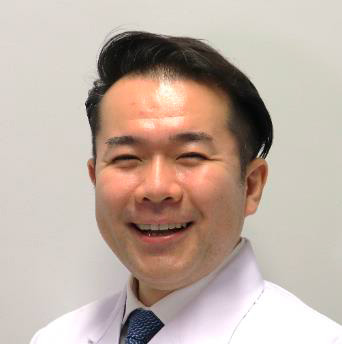
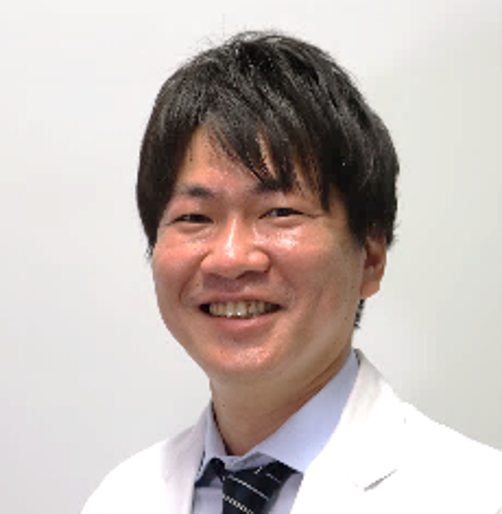
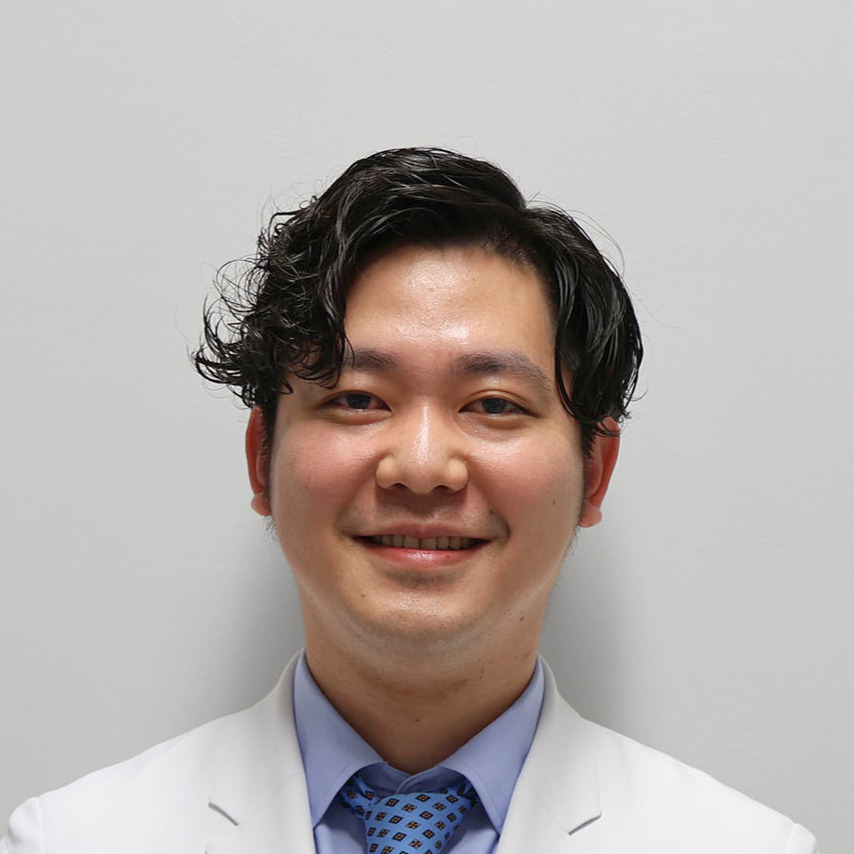
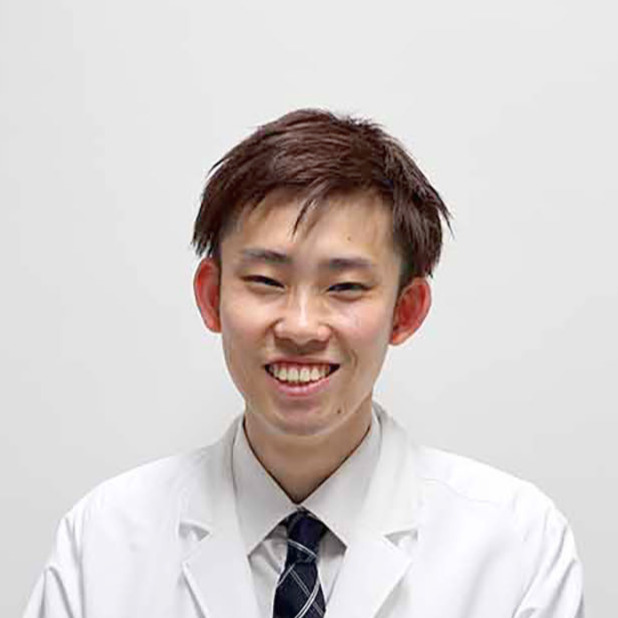
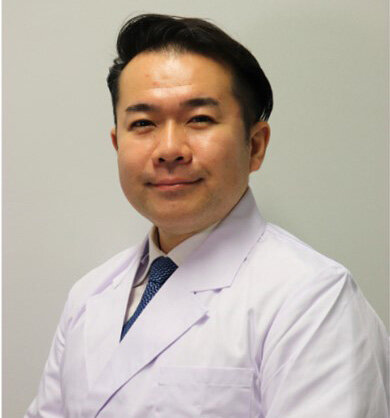
Masamichi Takahashi

My name is Masamichi Takahashi, and I took office as the fourth Head of the Department on April 1, 2024, succeeding the first Professor Osamu Sato, the second Professor Ryuichi Tsugane, and the third Professor Mitsunori Matsumae.

After spending my high school years in Tokyo, I graduated from Niigata University School of Medicine in 2001 and joined the Department of Neurosurgery at the University of Tokyo, headed by Professor Takaaki Kirino. During my clinical training in general Neurosurgery I developed a strong desire to treat patients with malignant brain tumors, and from 2007, I conducted basic research on brain tumors as a graduate student under the guidance of Professor Tomonori Todo at the University of Tokyo, where Professor Nobuhito Saito was a professor. After graduating in 2011, I spent three years as a postdoctoral researcher at the University of California, Los Angeles (UCLA), continuing my work of linking basic research to clinical trials. I returned to Japan in 2014 and became a staff member of the Department of Brain and Spinal Cord Tumors at the National Cancer Center Hospital, where I spent approximately 10 years working under Professor Yoshitaka Narita, engaging in surgery, basic research, and novel treatment development for malignant brain tumors. I am deeply honored to have been given the opportunity to manage the Department of Neurosurgery at Tokai University School of Medicine, which has a 50-year tradition since its founding, and I also feel the weight of this responsibility.

In recent years, Neurosurgery has become increasingly specialized, and our hospital provides medical care in a wide range of areas, primarily focusing on cerebrovascular disorders, brain tumors, head injuries, functional Neurosurgery, and spinal surgery. We maintain a 24/7 patient acceptance system to ensure we can adequately respond to even the most urgent cases. At the same time, we provide cutting-edge treatments by experts in each field, with thorough preparation, and we boast one of the highest surgical volumes in the country. Our department's policy is that, even amidst such busy schedules, our medical staff must prioritize their own lives and time with their loved ones, striving to be "good doctors" who provide holistic medical care to each patient in collaboration with other professionals such as nurses and pharmacists. Furthermore, we encourage continuous learning of cutting-edge medical practices both domestically and internationally, honing our surgical and therapeutic skills, and conducting research for the advancement of medicine. This fosters physicians with a high level of scientific expertise and deep humanity, enabling us to continue providing the highest standard of care to our patients. We appreciate your guidance and support.

Chief of Neurosurgery Department

Masamichi Takahashi

Treatment details

Neurosurgery provides highly specialized surgical treatment for brain diseases. We have a 24-hour response system in place for urgent cases of cerebrovascular disorders such as subarachnoid hemorrhage, cerebral hemorrhage, and cerebral infarction, as well as trauma such as traffic accidents. For each individual patient, specialists consider and implement the optimal treatment, whether it be craniotomy or endovascular treatment. For brain tumors, we are equipped with the latest equipment, including navigation systems and intraoperative MRI rooms, to provide safe and accurate surgical treatment even for highly complex tumors. In our outpatient clinic, specialists handle all Neurosurgery diseases, and we widely accept referrals from medical institutions both nearby and far away. We provide the best possible care based on the requests described in the referral letter and report the results promptly. Furthermore, as a leading institution contributing to the advancement of medicine, we conduct clinical research in collaboration with university hospitals and medical institutions nationwide, and participate in multiple corporate clinical trials and investigator-initiated clinical trials to develop new treatments.

Main target diseases

1. Cerebrovascular disease
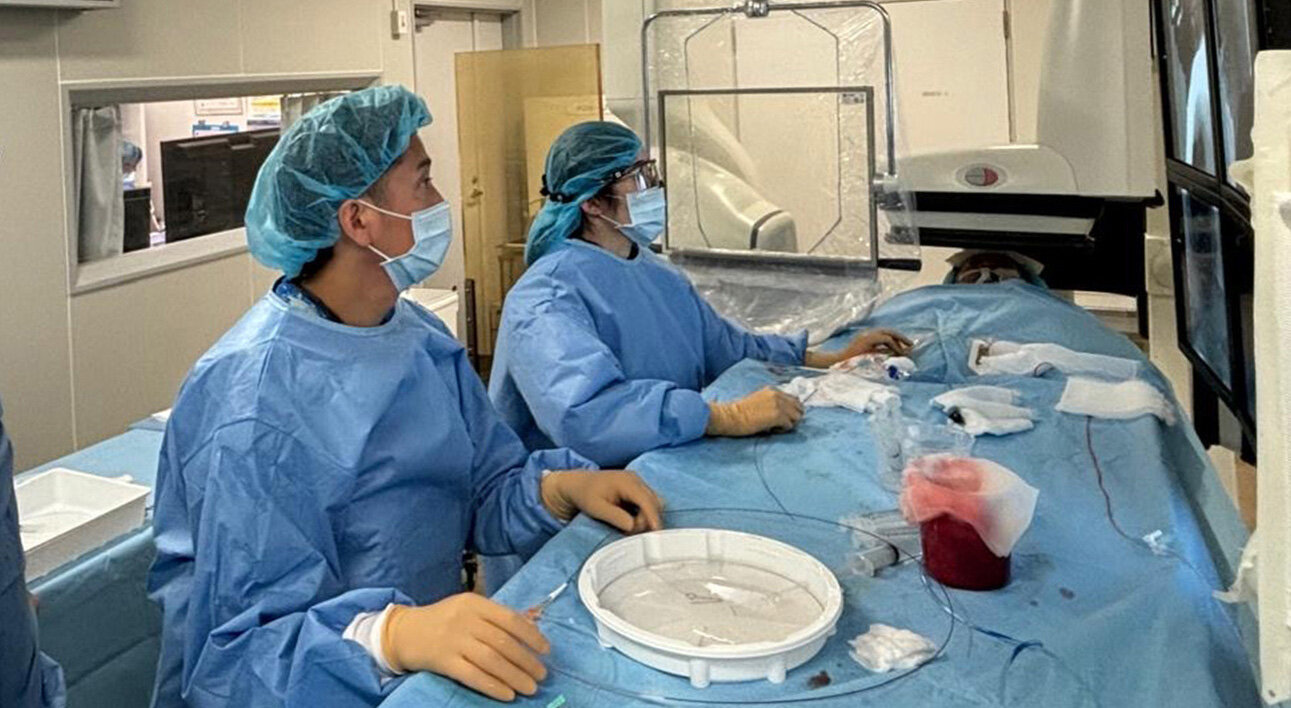
There are two types of surgery for cerebrovascular disorders: craniotomy and catheter-based endovascular surgery. At Tokai University, specialists in each treatment consult with each other to provide the optimal treatment (tailor-made treatment) for each patient. We also work with Department of Neurology to provide catheter surgery for acute cerebral infarction on a 24-hour basis. Please feel free to contact us with any concerns you may have about cerebrovascular disease.

2. Brain tumor
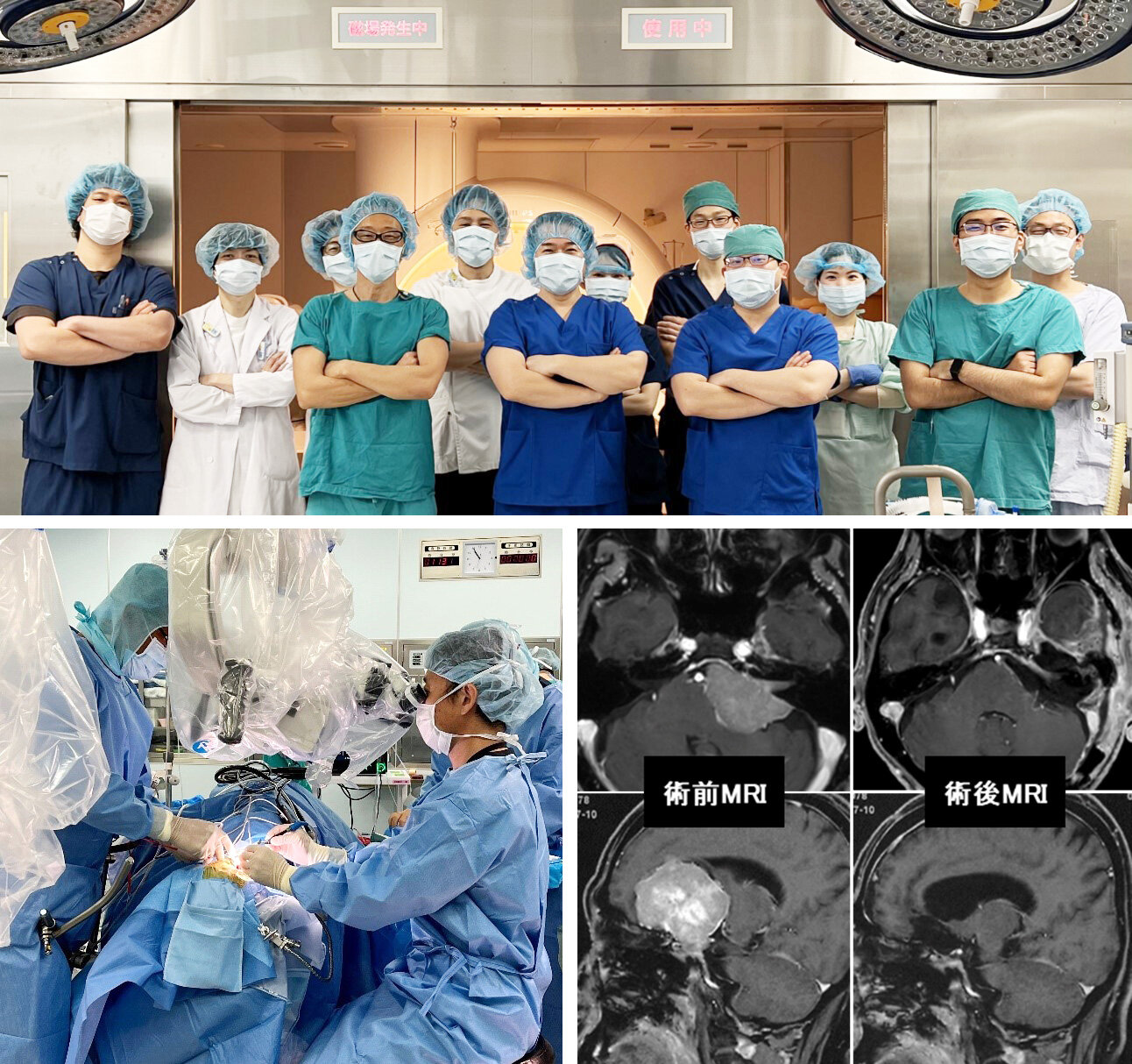
Our hospital was one of the first university hospitals in Japan to have an operating room equipped for intraoperative MRI, and we utilize navigation systems and brain function monitoring to achieve maximum tumor removal. In the treatment of patients with malignant brain tumors, we aim to remove the tumor to the maximum extent possible without worsening the patient's neurological findings. After surgery, we provide multidisciplinary treatment using radiation therapy and chemotherapy. In particular, our hospital is one of the few "cancer genome medical base hospitals" in Japan and is a facility that can independently hold expert panels. We promptly perform genetic analysis of tumor cells removed during surgery, search for new therapeutic drugs that are optimal for each individual patient, and provide cutting-edge cancer genome medicine. We also receive information on unapproved new drugs early on, so even if you have had surgery at another hospital, please consult with our brain tumor specialists first. Furthermore, for benign brain tumors, our hospital employs specialists with advanced surgical skills, aiming for complete cure through surgery while also prioritizing the functional prognosis of the patient and providing optimal treatment. We have performed a large number of skull base tumor surgeries, 286 cases, in the seven years from July 2017 to July 2024. We strive to perform surgeries that enhance safety and reliability by utilizing intraoperative monitoring and navigation systems. We treat a wide range of tumors, including not only skull base tumors but also deep brain tumors such as brainstem tumors, orbital tumors, and cervical tumors. Even if you have been refused surgery at another hospital, please feel free to contact us for a consultation.

3. head injury
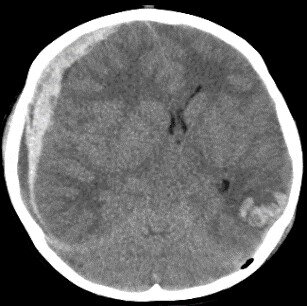
Our hospital handles tertiary emergency care and is the base hospital for Kanagawa Prefecture's doctor helicopter. As a result, we accept many patients with head injuries. We work in cooperation with Critical Care Department to provide prompt treatment, and we strive every day to keep the time to transport patients to the operating room to within 30 minutes, especially in cases of isolated head injuries. (Image shows a head CT scan of a patient with acute subdural hematoma, cerebral contusion, and pneumocephalus)

4. Trigeminal neuralgia and facial spasms
Facial spasms and trigeminal neuralgia are conditions caused by compression of the facial nerve and trigeminal nerve by their own cerebral blood vessels near the brainstem, respectively. Surgical treatment is indicated when drug therapy is ineffective or when daily life is significantly impaired. Because the surgery involves reaching deep into the brain (near the brainstem), it is performed by specialists with extensive experience and advanced surgical skills. Clinical trials are also being conducted to develop new drugs that can be used during acute exacerbations of trigeminal neuralgia.

5. Functional Neurosurgery
Parkinson's disease is primarily treated by Department of Neurology who adjust various medications to minimize impairment in daily life. However, it is known that patients gradually become resistant to drug therapy. For such patients, surgery (deep brain stimulation) is performed. Our department works closely with Department of Neurology to provide care.

6. Spinal and spinal surgery
The spinal cord (nerves connecting the brain and brainstem) is protected by the spine (the so-called backbone from the neck to the lower back), and can be compressed by deformation or misalignment of the spine. The spinal cord can also be compressed by tumors. In our department, we perform delicate surgery using a microscope on patients who have pain, numbness, or motor paralysis caused by such nerve compression, aiming to improve their symptoms.

Main medical achievements

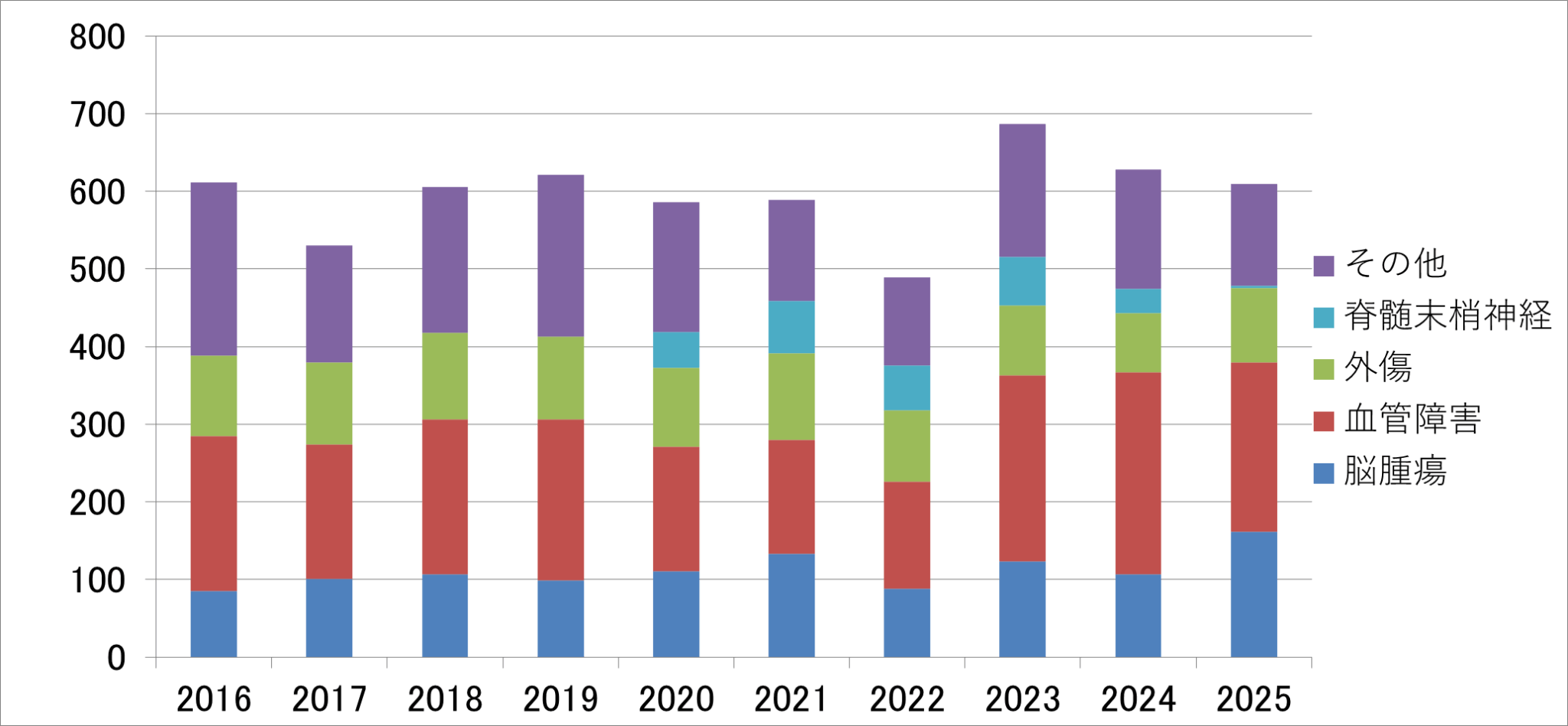
In 2025, our department performed 609 surgeries, one of the largest numbers of surgeries among university hospitals nationwide. These included 161 brain tumors, 219 vascular disorders, 95 head injuries, 3 spinal cord surgeries, and 131 other procedures. Normal medical activities are conducted 24 hours a day, 365 days a year, and our department is also characterized by its preparedness to accept emergency patients. In the case of isolated head injuries, we aim to bring patients in for surgery within 30 minutes, and we strive every day to provide a rapid response.
We also conduct clinical research to further the development of medicine, and in 2023, five new clinical studies were initiated with the approval of the ethics committee.

Figure 1. Trends in the number of Neurosurgery procedures from 2016 to 2025

Doctor List

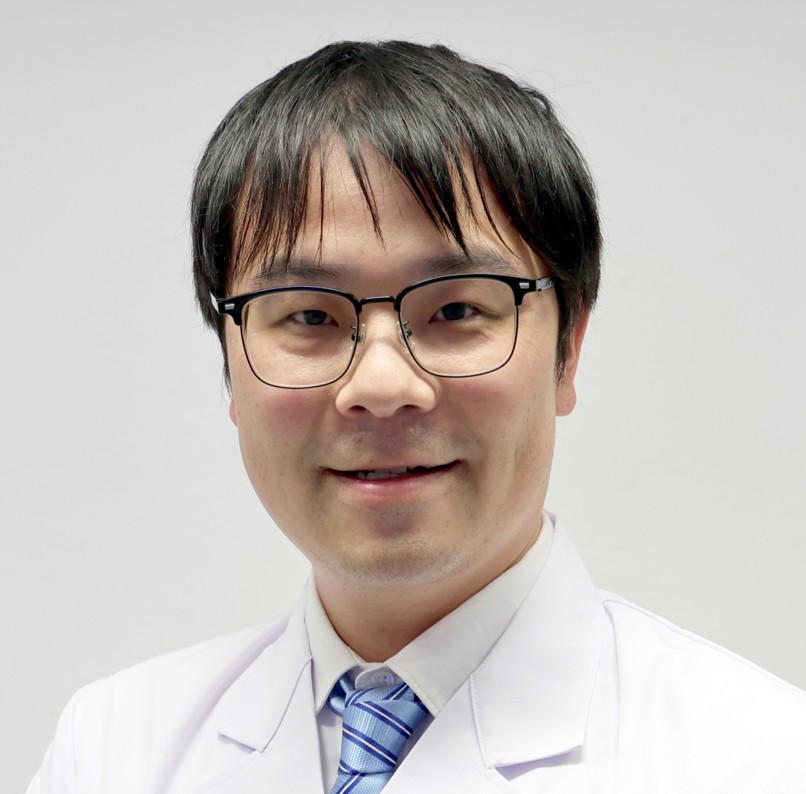
Department Head: Masamichi Takahashi

Outpatient: 0463(93)1121

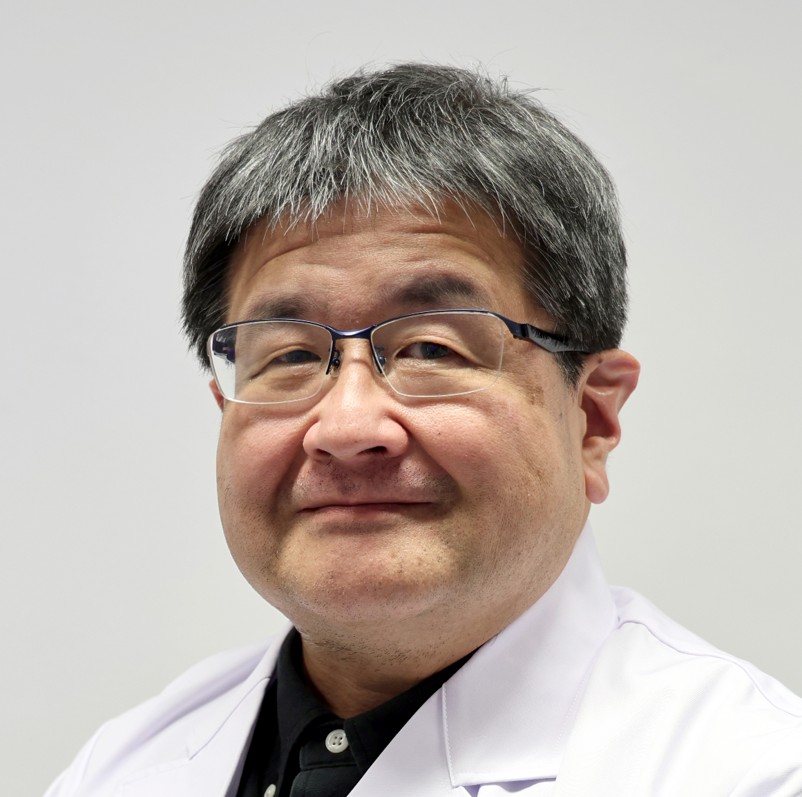
Professor Masamichi Takahashi

Specialization

Brain tumors

Specialist

Board Certified Neurosurgeon by the Japan Neurosurgical Society / Board Certified Fellow of the Japanese Society for Neuroendoscopy / Board Certified Member of Japanese Board of Cancer Therapy

Specialized Areas

Brain tumor surgery and chemotherapy

Outpatient medical day

Wednesday

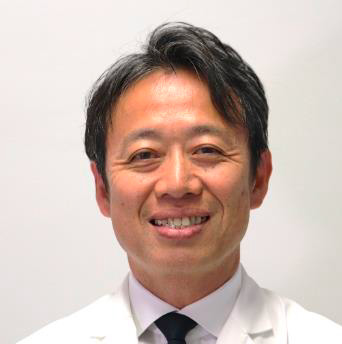
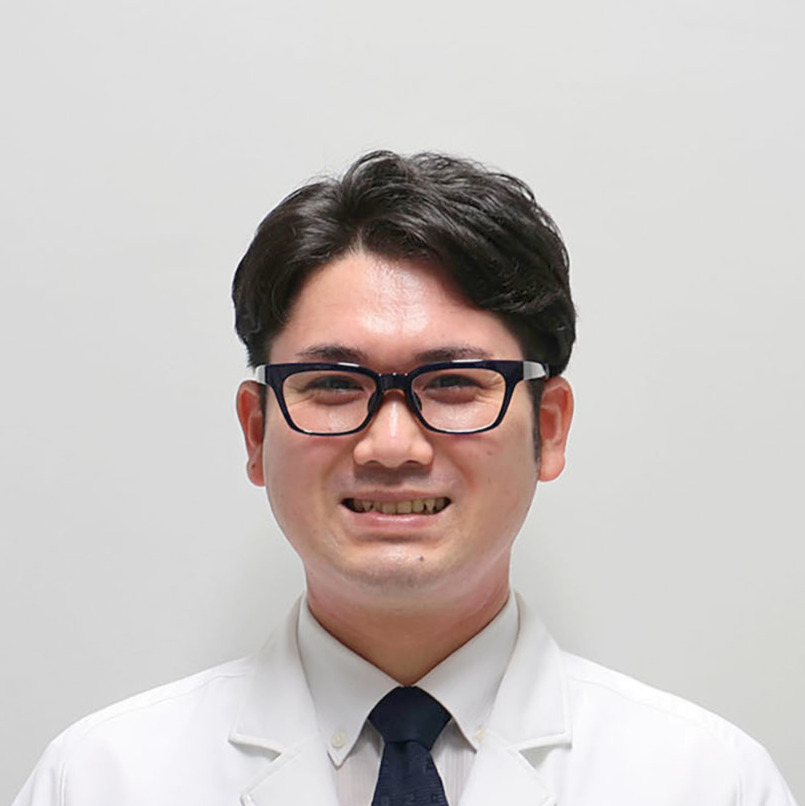
Associate Professor Yoichi Nonaka

Specialization

Brain tumors, skull base surgery

Specialist

Board Certified Neurosurgeon by the Japan Neurosurgical Society / Board Certified Physician, Japan Acoustic Neuroma Society

Specialized Areas

Surgical treatment for brain tumors, surgical treatment for skull base tumors, surgical treatment for hemifacial spasm and trigeminal neuralgia

Outpatient medical day

Thursday

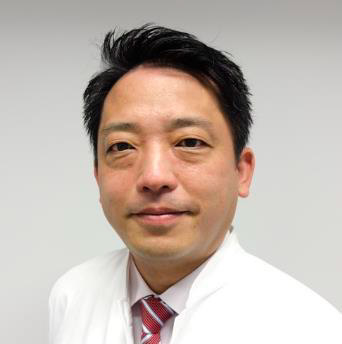
Lecturer: Takahiro Osada

Specialization

Cerebrovascular disease

Specialist

Board Certified Neurosurgeon by the Japan Neurosurgical Society / Board Certified Specialist, Japanese Society for Neuroendovascular Therapy / Board Certified Stroke Specialist, The Japan Stroke Society / Supervising Specialist, and Board Certified Specialist in Surgical Techniques for Stroke, Japan Society of Surgery for Cerebral Stroke / Board Certified Headache Specialist, Japanese Headache Society

Specialized Areas

Surgery for cerebrovascular disorders, endovascular treatment

Outpatient medical day

Friday

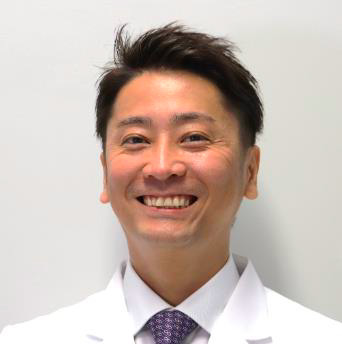
Lecturer: Hideaki Shigematsu

Specialization

Cerebrovascular disease

Specialist

Board Certified Neurosurgeon by the Japan Neurosurgical Society / Supervising Physician, Japanese Society for Neuroendovascular Therapy / Board Certified Specialist in Surgical Techniques for Stroke, Japan Society of Surgery for Cerebral Stroke / Supervising Physician, Japan Society of Neurotraumatology

Specialized Areas

Endovascular Treatment

Outpatient medical day

Wednesday

Lecturer Akihiro Hirayama

Specialization

Cerebrovascular disease

Specialist

Board Certified Neurosurgeon of the Japan Neurosurgery Society / Instructor of the Japanese Society for Neuroendovascular Therapy / Certified Stroke Surgeon of the Japanese Society for Stroke Surgery

Specialized Areas

Surgery for cerebrovascular disorders, endovascular treatment

Outpatient medical day

Monday

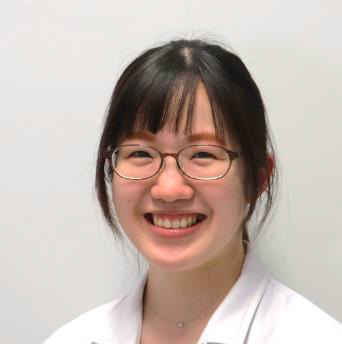
Assistant Professor Nozue Kyoko

Specialization

General Neurosurgery

Specialist

Board Certified Neurosurgeon by the Japan Neurosurgical Society

Specialized Areas

General Neurosurgery

Outpatient medical day

Friday

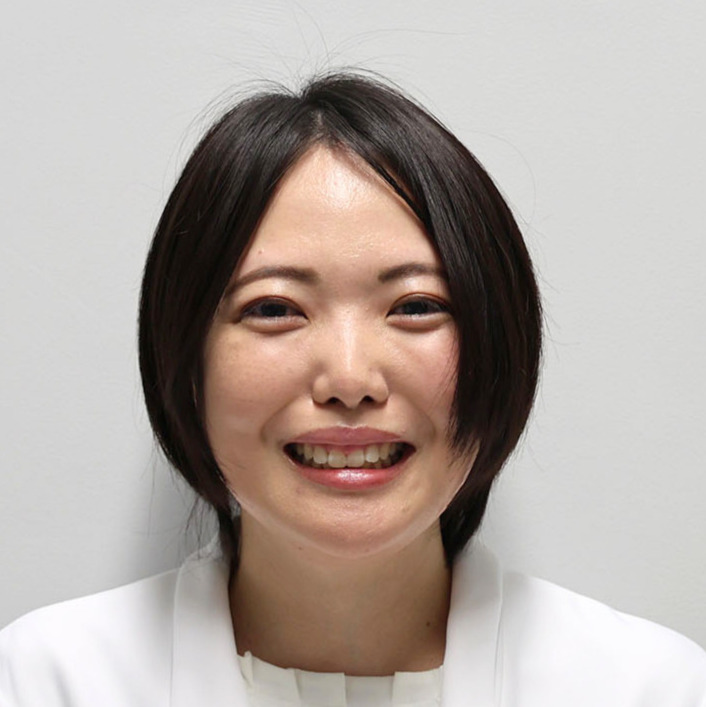
Assistant Professor Kazuko Hotta

Specialization

Emergency, head injury

Specialist

Board Certified Neurosurgeon by the Japan Neurosurgical Society / Specialist of the Japan Stroke Society / Specialist of the Japanese Society of Intensive Care Medicine / Instructor of the Japan Neurotraumatology Society / Specialist and Councillor of the Japan Association for the Surgery of Trauma

Specialized Areas

Neurosurgical emergency, Neurosurgical trauma

Outpatient medical day

Thursday

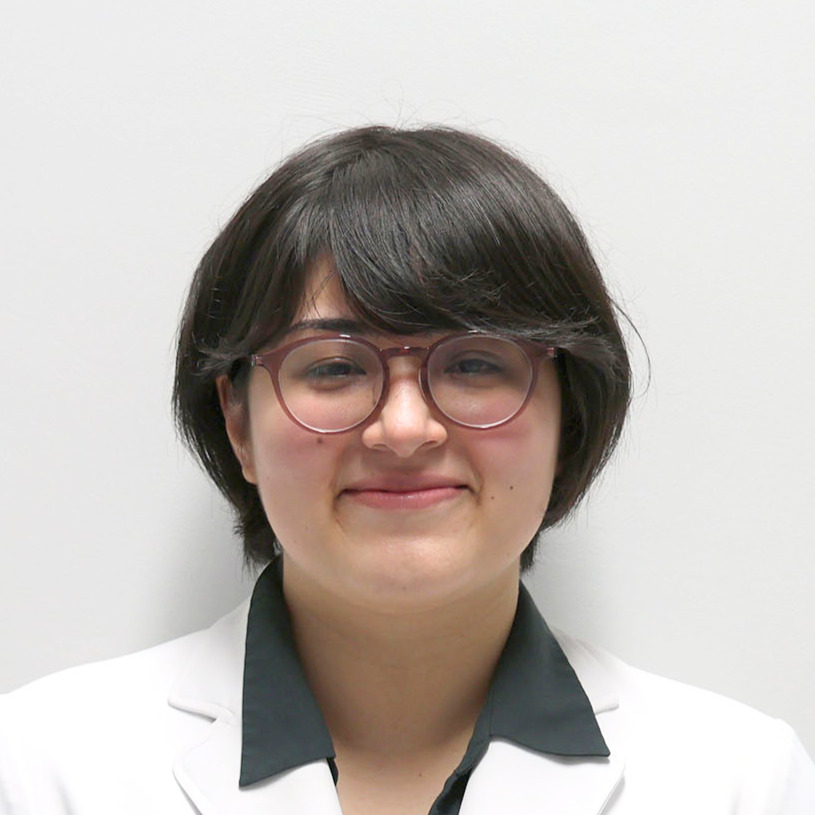
Assistant Professor Miyu Kikuchi

Specialization

General Neurosurgery

Specialist

Board Certified Neurosurgeon by the Japan Neurosurgical Society

Specialized Areas

Brain tumor surgery and chemotherapy

Outpatient medical day

Monday

Assistant Professor Azusa Sunaga

Specialization

General Neurosurgery

Specialist

Board Certified Neurosurgeon by the Japan Neurosurgical Society/Board Certified Specialist, Japanese Society for Neuroendovascular Therapy

Specialized Areas

Surgery for cerebrovascular disorders, endovascular treatment

Outpatient medical day

Friday

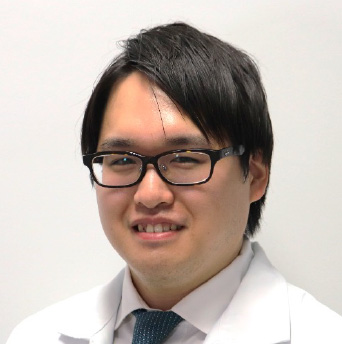
Assistant Professor Takuya Yonemochi

Specialization

General Neurosurgery

Specialist

Board Certified Neurosurgeon by the Japan Neurosurgical Society/Board Certified Specialist, Japanese Society for Neuroendovascular Therapy

Specialized Areas

Surgery for cerebrovascular disorders, endovascular treatment

Outpatient medical day

Tuesday

Assistant Professor Takahiro Yokoyama

Specialization

General Neurosurgery

Specialist

Specialist Neurosurgery

Specialized Areas

General Neurosurgery

Outpatient medical day

Tuesday

Daisuke Iejima, Specially Appointed Assistant Professor

Specialization

basic research

Specialized Areas

Genetic analysis, regenerative medicine

Assistant Professor Hirofumi Zhai

Specialization

basic research

Specialized Areas

Aneurysm, animal experiments

Chiaki Shinohara (Resident)

Specialization

General Neurosurgery

Specialized Areas

General Neurosurgery

Makoto Niikawa, Resident Physician

Specialization

General Neurosurgery

Specialized Areas

General Neurosurgery

Angelina Pooch, Resident Physician

Specialization

General Neurosurgery

Specialized Areas

General Neurosurgery

Ryosuke Minowa, Resident Physician

Specialization

General Neurosurgery

Specialized Areas

General Neurosurgery

Tanefumi Baba (Part-time doctor)

Specialization

Pituitary tumors

Specialist

Board Certified Neurosurgeon by the Japan Neurosurgical Society / Certified Physician of the Japan Society of Neuroendoscopy / Specialist of the Japan Society of Endocrinology / Certified Physician of the Society of Stereotactic and Functional Neurosurgery of Japan / Certified Physician of the Japan Society of Pediatric Neurosurgery / Certified Physician of Spinal Cord Surgery / Specialist of the Japan Headache Society / Specialist of the Japan Stroke Society

Specialized Areas

Surgical treatment of the pituitary gland

Outpatient medical day

Tuesday

Jun Nishiyama (Part-time doctor)

Specialization

Brain tumors

Specialist

Board Certified Neurosurgeon by the Japan Neurosurgical Society / Specialist of the Japan Stroke Society / Specialist of the Japanese Headache Society / Japan Certified Cancer Therapist / Specialist of the Japanese Society of Dementia / Others

Specialized Areas

Brain tumor surgery and chemotherapy

Outpatient medical day

Wednesday